
Living in Montenegro: Essential Guide for Turkish Buyers
Discover language, costs, community, healthcare and residence options for Turks moving to Montenegro with practical tips and real‑estate insights.
Why Montenegro is appealing to Turkish investors
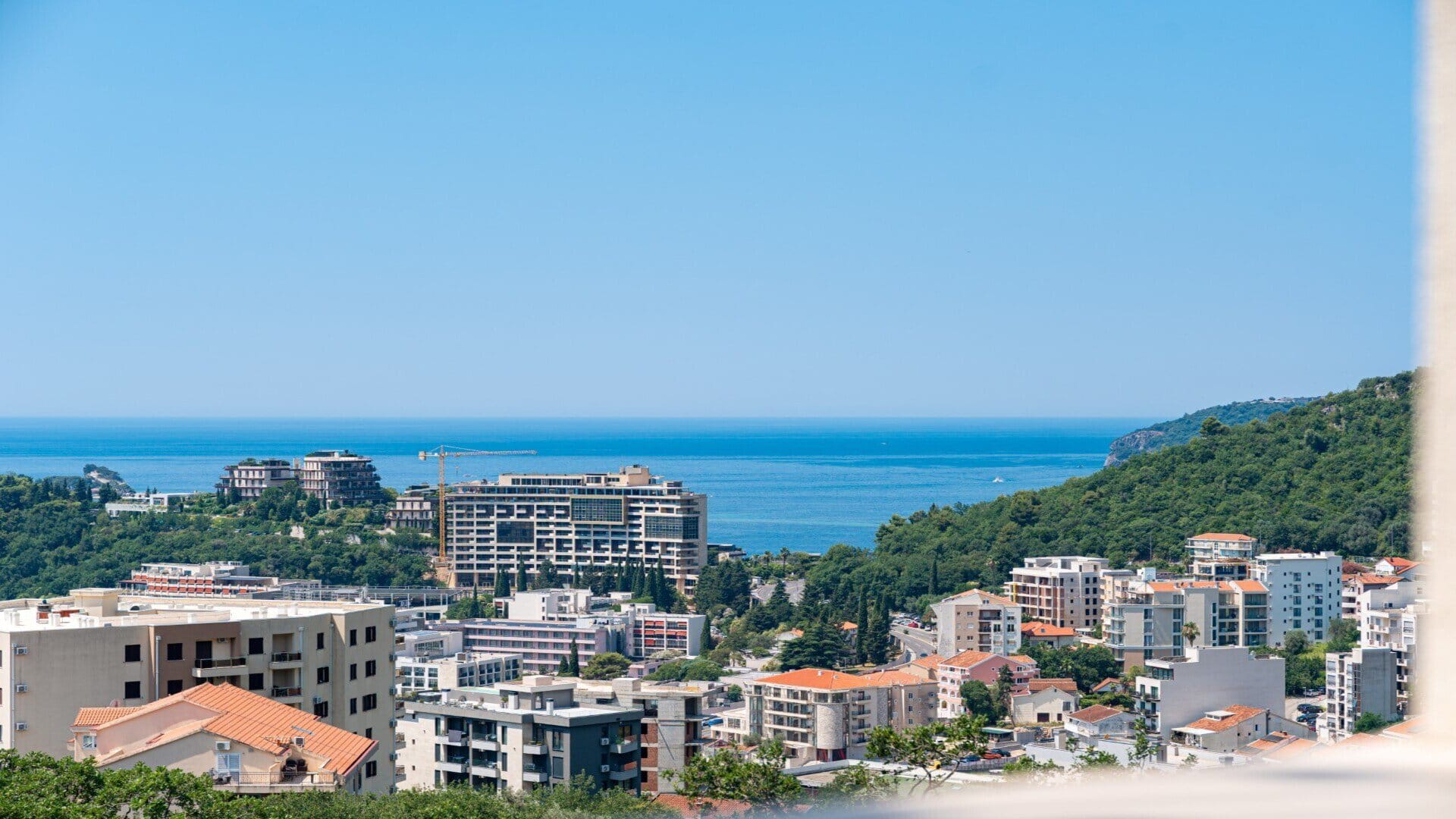
Montenegro sits on the Adriatic coast, blends Mediterranean charm with rugged mountain scenery, and uses the euro despite not being an EU member. For Turkish citizens seeking a second home, a stable tax regime (flat 9% income tax) and unrestricted short‑term rentals, the country offers a straightforward path to legal residence through property ownership.
Language: what you’ll hear on the street
The official language is Montenegrin, a South Slavic tongue closely related to Serbian, Bosnian and Croatian. Turkish is not widely spoken, but English proficiency is high in tourist areas such as Budva, Kotor and the capital, Podgorica. In rural villages you may encounter older residents who speak only Montenegrin.
For daily life:
- Basic phrases: Learning greetings like “Dobro jutro” (good morning) and “Hvala” (thank you) helps build rapport.
- English use: Most restaurants, real‑estate agents and medical staff in urban centres converse comfortably in English.
- Turkish community: A small but active Turkish expatriate network meets regularly in Podgorica and Budva, offering informal language support.
Cost of living and property prices
Montenegro’s cost of living is lower than many Western European destinations yet comparable to popular Turkish coastal cities. Below is a quick snapshot:
| Expense | Average Monthly Cost (EUR) |
|---|---|
| Rent – one‑bedroom apartment in city centre | 400–600 |
| Utilities (electricity, water, heating) | 80–120 |
| Groceries for a couple | 250–350 |
| Public transport pass | 30 |
| Dining out (mid‑range restaurant) | 15–25 per person |
When it comes to buying property, a €250,000 investment is the practical benchmark for obtaining a residence permit. Prices vary by location:
- Coastal apartments (Budva, Kotor): €2,500–€4,500 per square metre.
- Inland homes (Cetinje, Podgorica suburbs): €1,200–€2,000 per square metre.
All purchases are freehold – you own the land and building outright. Short‑term rentals through platforms like Airbnb are permitted, making a property an attractive income source during peak tourist months.
Community life for Turkish expats
Montenegro’s population is under 650,000, but its expatriate community punches above its weight. Turks will find:
- Cultural events: Annual Balkan festivals often feature Turkish music and cuisine.
- Religious facilities: A modest number of mosques exist in larger towns; private prayer rooms are common in Turkish‑owned hotels.
- Social clubs: The Istanbul–Podgorica Business Council meets quarterly, providing networking opportunities for entrepreneurs.
Integration is eased by the Mediterranean lifestyle – late lunches, seaside promenades and a strong emphasis on family gatherings mirror many Turkish customs.
Healthcare: quality you can rely on
Montenegro’s public health system provides universal coverage for residents. Private clinics in Podgorica and Budva offer faster appointments and English‑speaking doctors, at costs comparable to private hospitals in Turkey.
- Public hospital (Kotor General Hospital): Emergency care is free for residents; specialist visits may require a small co‑payment (€10–€20).
- Private options: Annual health insurance packages range from €300 to €600, covering dental, vision and elective procedures.
Prescription medicines are priced about 30 % lower than in Turkey, and pharmacies accept both euros and credit cards without hassle.
Residence through property investment
The most reliable route for Turkish citizens to live in Montenegro is the 1‑year renewable residence permit tied to real‑estate ownership. Key points:
- Minimum investment: €250,000 of freehold property (recommended to avoid bureaucratic thresholds).
- Permit duration: Initially issued for one year; renewal is automatic as long as the property remains owned.
- Physical presence requirement: Approximately 11 months per year, aligning with a typical “home‑base” lifestyle.
- Path to permanent residence: After five continuous years of renewal, you may apply for permanent residency, granting unrestricted work and study rights.
- Citizenship route: The citizenship‑by‑investment program closed at the end of 2022; currently only long‑term residence is available.
Steps to obtain the permit:
- Identify a property meeting the €250,000 threshold (Resida Global can handle viewings and negotiations).
- Complete the purchase – notarized deed, registration with the Land Registry, and payment of a 3 % transfer tax.
- Submit the residence application to the Ministry of Interior: passport copy, proof of ownership, health insurance, and a clean criminal record.
- Pay the annual residence fee (€30) and await approval (typically 4‑6 weeks).
Once approved, you’ll receive an ID card that serves as your legal entry document for the Schengen area – even though Montenegro itself is not yet a member, it has visa‑free access to most EU states for short stays.
Practical tips for a smooth transition
- Banking: Open a local Euro account; many banks accept Turkish ID and passport.
- Driving: A Turkish licence is valid for up to six months; thereafter you’ll need to exchange it for a Montenegrin licence.
- Education: International schools in Podgorica follow British or American curricula, useful for families.
- Internet & utilities: Fiber broadband is widely available; expect installation fees of €50–€80.
Conclusion
Montenegro offers Turkish investors a blend of affordable Mediterranean living, clear residency pathways through property ownership, and a welcoming community. By understanding the language basics, budgeting for daily expenses, and following the straightforward permit process – ideally with experienced partners like Resida Global – you can enjoy long‑term residence in one of Europe’s most scenic yet under‑explored destinations.
Frequently Asked Questions
What is the minimum property value needed for a Montenegrin residence permit?
You need to own freehold property worth at least €250,000. This amount is the practical benchmark used by authorities for the one‑year renewable residence permit.
How long can I stay in Montenegro each year with the property‑linked permit?
The permit expects you to be present roughly 11 months per calendar year, allowing a short vacation abroad while maintaining residency status.
Is Turkish language widely spoken in Montenegro?
Turkish is not common. Montenegrin is the official language, but English is widely understood in tourist zones and among younger professionals.
Can I rent out my property on Airbnb?
Yes. Short‑term rentals are permitted, making it possible to generate income during peak tourist seasons without additional licensing.
What is the path from temporary to permanent residence?
After five continuous years of renewing the one‑year property‑linked permit, you may apply for permanent residency, which grants unrestricted stay and work rights.
Related Property Pages
Get a Free Consultation
Let our expert team assess the right country and property for your overseas property, residency or citizenship goal — free of charge, end to end.