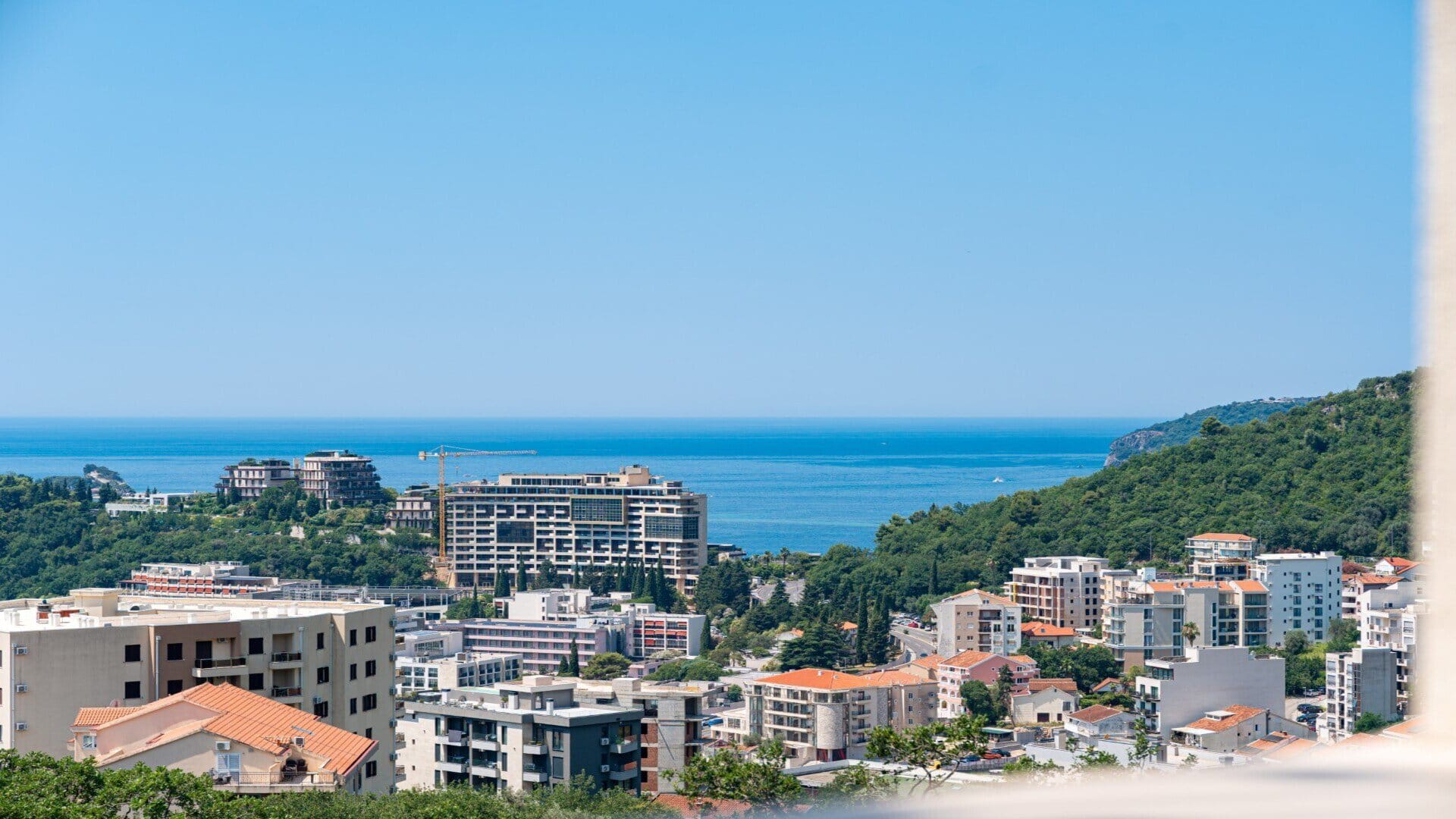

Living in Portugal: Healthcare, International Schools & Daily Life for Expats
A practical guide for newcomers covering Portugal’s public healthcare, international schooling options, daily expenses, and how to secure residency through D7 or digital‑nomad visas.
Why Portugal Attracts Expats
Portugal consistently ranks among the world’s most livable countries. Its mild climate, safe cities, affordable lifestyle and English‑speaking communities make it a natural destination for retirees, remote workers and families seeking a fresh start.
The Portuguese National Health Service (SNS)
The Serviço Nacional de Saúde (SNS) provides universal coverage to residents at a fraction of the cost found in many Western countries. Public hospitals and health centres offer primary care, specialist appointments and emergency services with modest co‑payments.
How to Register for SNS Coverage
- Obtain a Portuguese Tax Identification Number (NIF). This is required for any official transaction, including health registration.
- Register at your local Centro de Saúde (health centre) with proof of residence (rental contract or utility bill) and your NIF.
- If you are employed, your employer will automatically enrol you in the social security system, which includes SNS contributions.
- Self‑employed or retirees can contribute voluntarily; the minimum monthly contribution is around €20–€30, granting full access to public care.
Private health insurance remains popular among expatriates who prefer shorter waiting times for specialists. Plans start at €40 per month for basic coverage and rise to €150 or more for comprehensive international policies.
International Schools: Choices and Costs
Portugal’s major cities host a growing number of accredited international schools, many following the British, American or International Baccalaureate curricula. These institutions cater to expatriate families and Portuguese locals seeking an English‑medium education.
| City | School Type | Annual Tuition (EUR) |
|---|---|---|
| Lisbon | British / IB | €9,000 – €15,000 |
| Cascais | American | €10,500 – €16,500 |
| Porto | British | €8,000 – €13,000 |
| Algarve (Lagos) | IB | €7,500 – €12,500 |
Most schools require a registration fee (€500‑€1,200) and a deposit for school supplies. Scholarships are limited but increasingly available at larger institutions.
Daily Life & Cost of Living
Living costs vary widely between the bustling capital, Lisbon, and the more relaxed Algarve coast. Below is an average monthly budget for a single expatriate:
- Rent (city centre apartment): €900 – €1,400 in Lisbon; €700 – €1,100 in Faro.
- Utilities (electricity, water, internet): €120 – €180.
- Public transport pass: €40 in Lisbon, €30 in smaller cities.
- Groceries: €250 – €350 for a balanced diet.
- Dining out (mid‑range restaurant): €12 per main course.
The Algarve offers lower housing costs and an outdoor lifestyle, while Lisbon provides a richer cultural scene and more international networking opportunities. Both regions are part of the Schengen Area, allowing hassle‑free travel across 26 European countries.
Residency Pathways for Newcomers
Portugal’s visa programme is flexible enough to accommodate retirees, remote workers and investors alike.
- D7 Passive Income Visa: Ideal for retirees or freelancers with a stable income of at least €8,000 per year (or €1,000 per month). Applicants must show proof of funds, obtain a NIF and secure health insurance.
- Digital Nomad Visa (introduced 2022): Allows remote workers to stay up to one year, renewable for another year. The minimum monthly income requirement is €2,300.
- Golden Visa (post‑October 2023 update): Property acquisition no longer qualifies. To obtain the visa now you must invest at least €500,000 in qualifying Portuguese assets such as capital transfer, job‑creating businesses or research projects.
All residency routes grant access to Portugal’s public health system, the right to open a bank account and, after five years of legal residence, eligibility for permanent residency or citizenship.
Golden Visa Update (October 2023)
The government removed residential real‑estate from the Golden Visa criteria in October 2023. While this change reduces the influx of property‑driven investors, it does not affect the ability of foreigners to purchase freehold homes—provided they have a NIF and comply with local tax obligations.
Practical Steps to Settle In
- Step 1 – Secure a Visa: Apply for D7, Digital Nomad or Golden Visa through the Portuguese consulate. Resida Global can guide you through documentation and appointment scheduling.
- Step 2 – Obtain a NIF: Required for any contract, opening a bank account, or registering with SNS. You can get it at a local tax office (Finanças) with your passport and proof of address.
- Step 3 – Find Accommodation: Use reputable agencies; remember that buying property does not grant residency under the current Golden Visa rules.
- Step 4 – Register for Health Coverage: Visit your nearest Centro de Saúde with NIF, passport and proof of residence to enrol in SNS.
- Step 5 – Enrol Children (if applicable): Contact the chosen international school early; many have waiting lists that fill months ahead of the academic year.
- Step 6 – Set Up Utilities and Internet: Most providers require NIF and a local bank account. Packages start at €30 per month for broadband.
Joining expatriate groups on social media, attending local language courses (many municipalities offer free Portuguese classes) and exploring the neighbourhood on foot are excellent ways to integrate quickly.
Conclusion
Portugal offers a high quality of life at an affordable price, with universal healthcare, reputable international schools and clear residency pathways. By understanding the updated Golden Visa rules and following the practical steps above, newcomers can settle confidently—whether they choose the vibrant streets of Lisbon or the sunny coasts of the Algarve.
Frequently Asked Questions
Do I need a Portuguese NIF to access public healthcare?
Yes. The NIF is required to register at a local health centre and to be eligible for SNS coverage.
Can buying property in Portugal still give me a Golden Visa?
No. Since October 2023, residential real‑estate purchases no longer qualify for the Golden Visa; eligibility now requires other types of investment such as €500k capital transfer.
What is the minimum income needed for the D7 visa?
Applicants must demonstrate at least €8,000 per year (approximately €1,000 per month) from pensions, rentals or remote‑work earnings.
Are international schools in Portugal expensive?
Annual tuition ranges from €7,500 to €16,500 depending on the city and curriculum; additional fees for registration and supplies apply.
How long can I stay in Portugal with a Digital Nomad Visa?
The Digital Nomad Visa allows an initial stay of up to one year, which can be renewed once for another year, provided the income requirement is maintained.
Related Property Pages
Get a Free Consultation
Let our expert team assess the right country and property for your overseas property, residency or citizenship goal — free of charge, end to end.