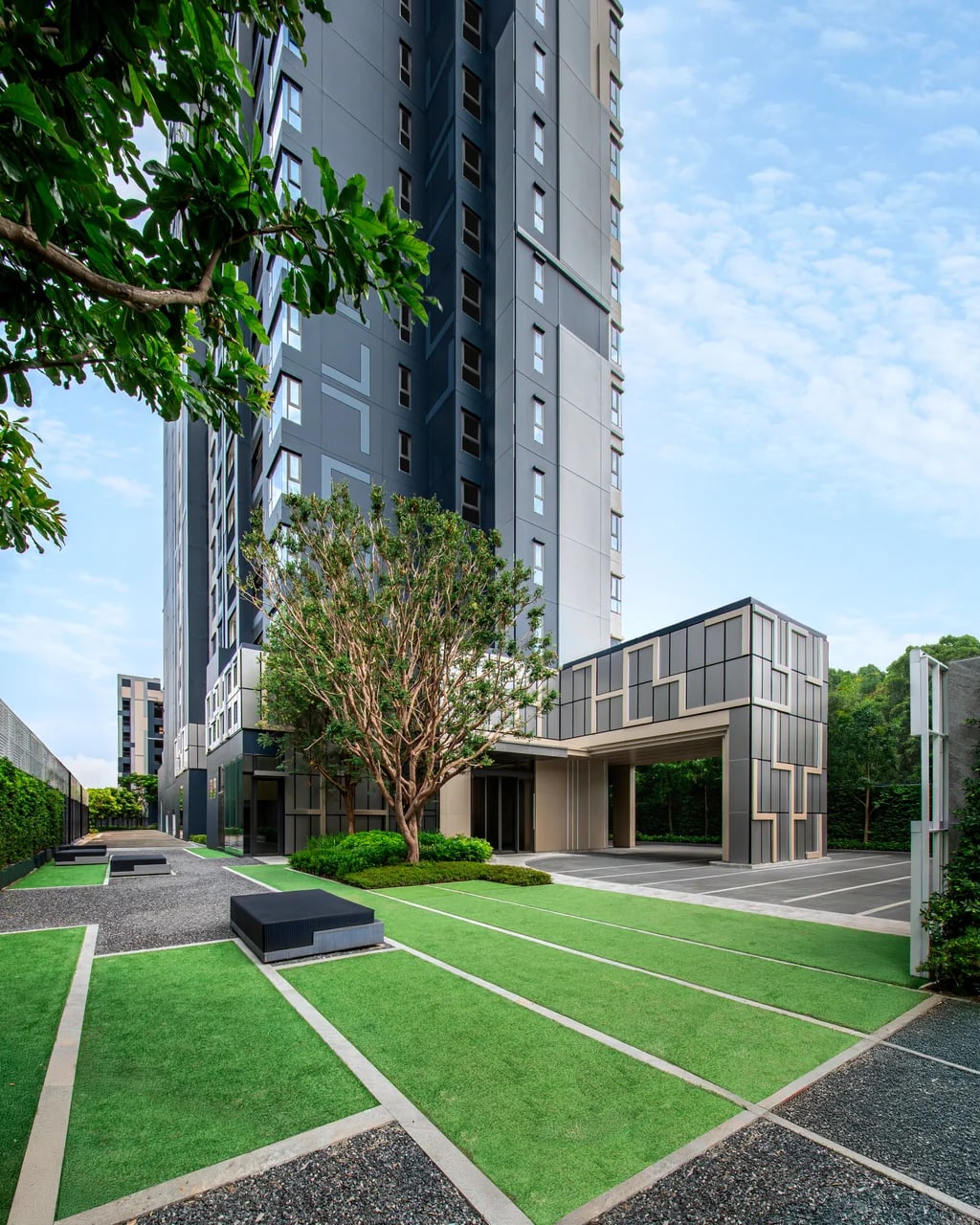

Phuket vs Pattaya Property Investment: Prices, Rental Yields & Lifestyle
Explore how Phuket and Pattaya differ in condo prices, rental returns, ownership rules and everyday life, helping you choose Thailand's most suitable investment market.
Introduction
Thailand continues to attract overseas investors looking for a blend of tropical living and solid returns. Two destinations dominate the conversation: Phuket, the island paradise famous for its upscale resorts, and Pattaya, the bustling coastal city just 150 km from Bangkok. Both markets offer condominiums that foreigners can own freehold, but they differ markedly in price, rental performance, ownership structure and day‑to‑day lifestyle. This guide breaks down the key figures and practical considerations so you can decide which market aligns with your investment goals.
Current Condo Prices (THB)
Condominium prices are quoted per square metre of usable floor area. Data from 2024 listings show a clear gap between the two cities:
| Metric | Phuket (Average) | Pattaya (Average) |
|---|---|---|
| Price per sqm (THB) | 210,000 – 250,000 | 150,000 – 180,000 |
| Typical 1‑bedroom size | 55–65 sqm | 45–55 sqm |
| Average total price (THB) | 12 – 16 million | 7 – 10 million |
Phuket’s higher price reflects its island status, limited land supply and a stronger demand from luxury‑seeking buyers. Pattaya benefits from larger development zones and proximity to Bangkok, keeping prices more affordable.
Rental Yields & Cash Flow
Rental yield is the net annual return expressed as a percentage of the purchase price. It varies with seasonality, management fees and tax treatment.
Typical yields in Phuket
- Average gross rent: 200–250 THB per sqm per month.
- Net yield after 20% management fee and 15% withholding tax: 4.0 % – 4.8 %.
- Occupancy rate: 70 % – 80 % (higher in peak winter months).
Typical yields in Pattaya
- Average gross rent: 250–300 THB per sqm per month.
- Net yield after fees and tax: 5.0 % – 6.5 %.
- Occupancy rate: 80 % – 90 % (steady demand from short‑term tourists and long‑stay retirees).
For investors focused on cash flow, Pattaya generally offers a higher net yield, while Phuket may provide stronger capital appreciation over the longer term.
Ownership Rules for Foreigners
Thai law is clear about what foreigners can and cannot own:
- Condominiums: Up to 49 % of the total unit space in a building may be owned by non‑Thais on a freehold basis. The buyer receives a title deed (Chanote) in their name.
- Land & Villas: Direct land ownership is prohibited for foreigners. A villa can be acquired through a 30‑year renewable lease, or via a Thai limited company where the foreigner holds less than 49 % of the shares.
- The property itself does **not** confer citizenship or residency. Separate visa routes—such as the Long‑Term Resident (LTR) visa or Thailand Elite program—are required for extended stays.
All purchases must be funded in foreign currency and transferred through a Thai bank, which issues a Foreign Exchange Transaction Form (FET) to satisfy the Bank of Thailand’s regulations.
Lifestyle Considerations
Beyond numbers, lifestyle influences both rental demand and personal satisfaction. Below is a quick comparison:
- Phuket
- Island vibe with world‑class beaches (Patong, Kata, Surin).
- More upscale dining, boutique hotels and international schools.
- Slower traffic but higher cost of goods and services.
- Strong appeal to high‑net‑worth tourists willing to pay premium rents.
- Pattaya
- Lively nightlife, shopping malls and a large expat community.
- Excellent road links to Bangkok (about 2‑hour drive).
- More affordable everyday expenses and a wider range of property types.
- Consistent demand from short‑term tourists, digital nomads and retirees.
Practical Steps to Purchase a Condo
The buying process is straightforward when you follow the correct sequence. Below is an outline that most investors use, with Resida Global handling each step for a smooth experience.
- 1. Define budget and preferred location – include purchase price, 3‑5 % ancillary costs and a reserve fund for maintenance.
- 2. Engage a licensed real‑estate agent – Resida Global will verify the building’s foreign ownership quota and provide a pre‑purchase due diligence report.
- 3. Reserve the unit – pay a 10 % reservation fee; the developer issues a reservation agreement.
- 4. Open a Thai bank account – required for all subsequent transfers and to obtain the FET form.
- 5. Transfer funds & obtain FET – the foreign currency transfer must be recorded; the bank issues the FET within 30 days.
- 6. Sign Sale & Purchase Agreement (SPA) – usually 60 % of the price is paid at this stage.
- 7. Pay taxes and fees
- Transfer tax: 2 % of the appraised value.
- Stamp duty or specific business tax (if applicable): up to 1 %.
- Registration fee at the Land Department: 1 % of the purchase price.
- 8. Register the title deed – the Land Department records your ownership and issues the Chanote.
- 9. Handover & move‑in – collect keys, obtain a copy of the building’s by‑laws and set up utility accounts.
Overall, the transaction from reservation to registration typically takes four to six weeks, assuming all documents are in order.
Why Work with Resida Global?
Resida Global specializes in cross‑border property transactions and offers a single point of contact for legal, financial and translation services. Their team ensures the foreign ownership quota is respected, prepares the FET documentation correctly, and coordinates with Thai lawyers to register the title quickly.
Conclusion
Both Phuket and Pattaya present compelling opportunities for foreign investors, but they cater to different priorities. Phuket commands higher purchase prices yet offers a premium lifestyle and modest yields; Pattaya delivers more affordable entry points and stronger cash flow, backed by a vibrant expat scene. By understanding the ownership rules, cost structure and local market dynamics—and by partnering with an experienced agency like Resida Global—you can make a confident decision that matches your financial goals and personal preferences.
Frequently Asked Questions
Can foreigners own a villa outright in Phuket?
No. Foreigners cannot own land directly. Villas are acquired either through a 30‑year renewable lease or by setting up a Thai limited company where the foreign share is below 49 %.
What is the maximum freehold condo ownership allowed for foreigners?
Foreign investors may own up to 49 % of the total unit space in a condominium building on a freehold basis, provided the building’s foreign quota permits it.
How long does the condo purchase process usually take?
From reservation deposit to registration of title, the process typically takes four to six weeks if all documents—including the Foreign Exchange Transaction Form—are prepared correctly.
Are rental incomes from Thai condos taxed for foreign owners?
Yes. Rental income is subject to a 15 % withholding tax on gross rent (unless a tax treaty reduces it). Owners can file an annual personal income tax return to claim any allowable deductions.
Does buying property in Thailand grant residency or citizenship?
No. Property ownership does not provide any visa rights. Investors must apply for separate visas such as the Long‑Term Resident (LTR) visa or the Thailand Elite program to stay long term.
Related Property Pages
Get a Free Consultation
Let our expert team assess the right country and property for your overseas property, residency or citizenship goal — free of charge, end to end.